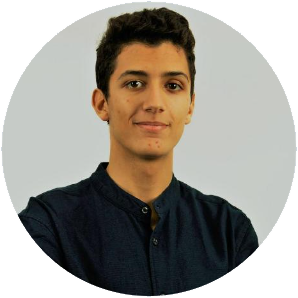
< C.s Student /
Data scientist
/ Future M.L engineer
/ Gamer / Goofy guy />
Welcome to my website! I am a
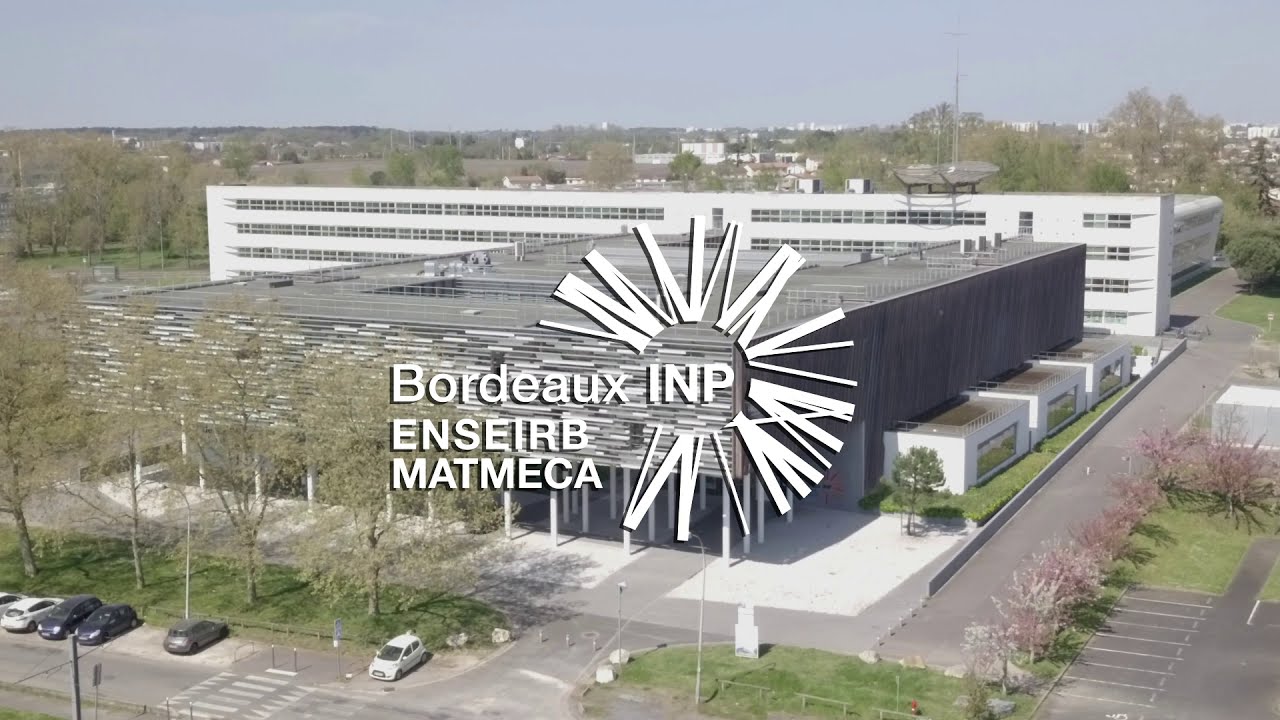
computer science student at
Enseirb-Matmeca
I am passionate about using technology and A.I to solve real-world problems and am constantly learning
and staying up-to-date with the latest trends and developments in the field of Data science and computer science. On this website, you can
find out more about my background, education, and experiences, as well as my personal interests and hobbies.
I have always been fascinated by the world of computer science and am excited to pursue a career in this
field. I am eager to use my knowledge and skills to make a positive impact in the world and am constantly looking
for new opportunities to learn and grow.
Thank you for visiting my website. I hope you find it informative and enjoyable. If you have any questions or
would like to connect with me, please feel free to reach out using the contact information provided on this site.
Best regards,

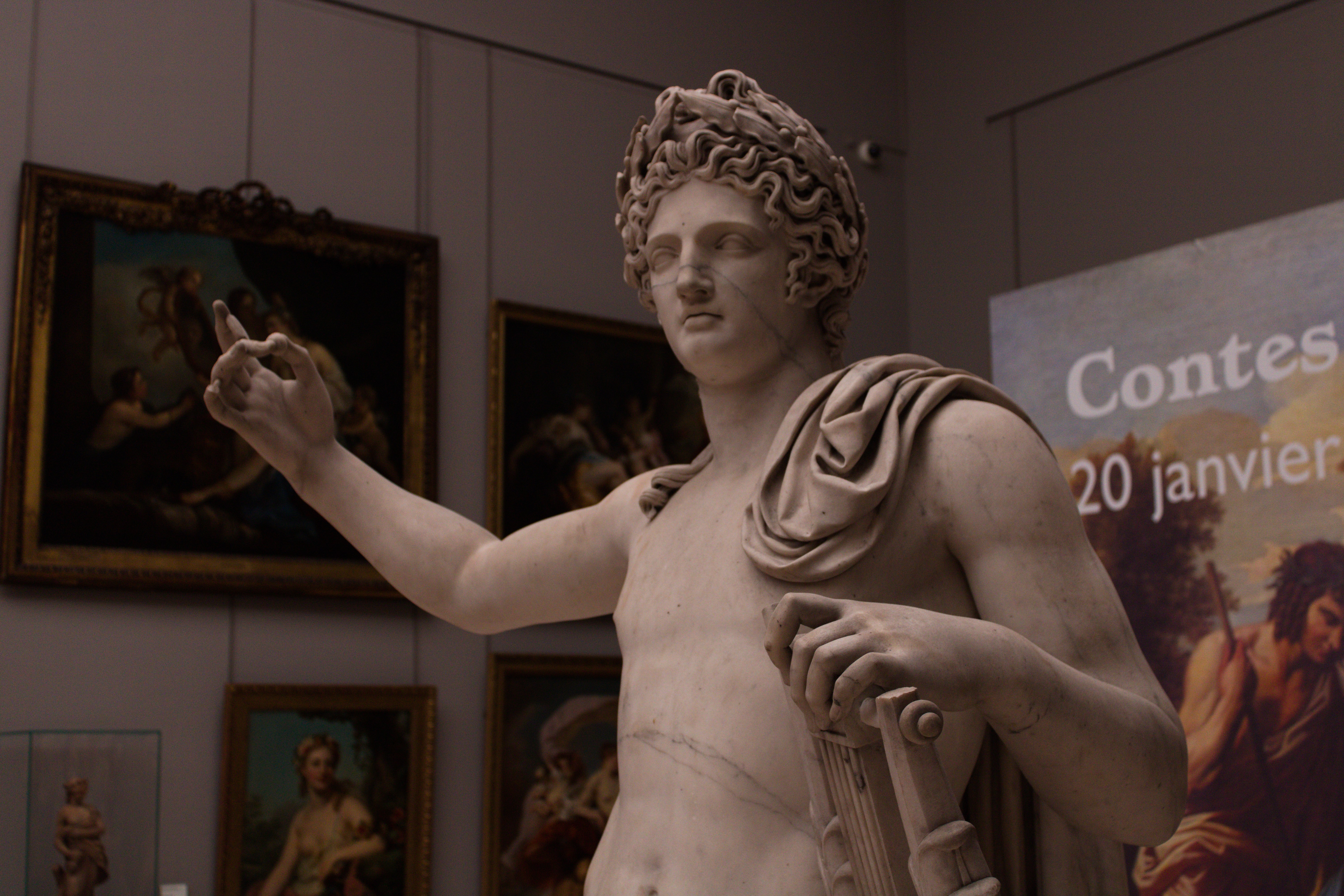
Professional Photographer
Student Job
When I was in my first year of computer science studies in Bordeaux
I found some time to practice a hobby of mine. Photography was one of the arts I was interested in
when I was a little boy, and growing up I had the chance to have experiences and knowledge about this
field. In 2021, I finally decided to get myself a camera and start my journey in Photography.
Fortunately, I found a student job in Bordeaux as a professional photographer and it helped me feed my art needs
and improve my communication skills.
Photography involves working with technology, such as cameras and editing software (i.e RawTherapee).
This helped me become more familiar with using and manipulating different types of technology,
which is an important skill in computer science.
And it involved editing and manipulating digital images, which helped me get a strong
understanding of how computers represent and process images.
This can help you learn more about computer graphics, image processing, and other related topics.
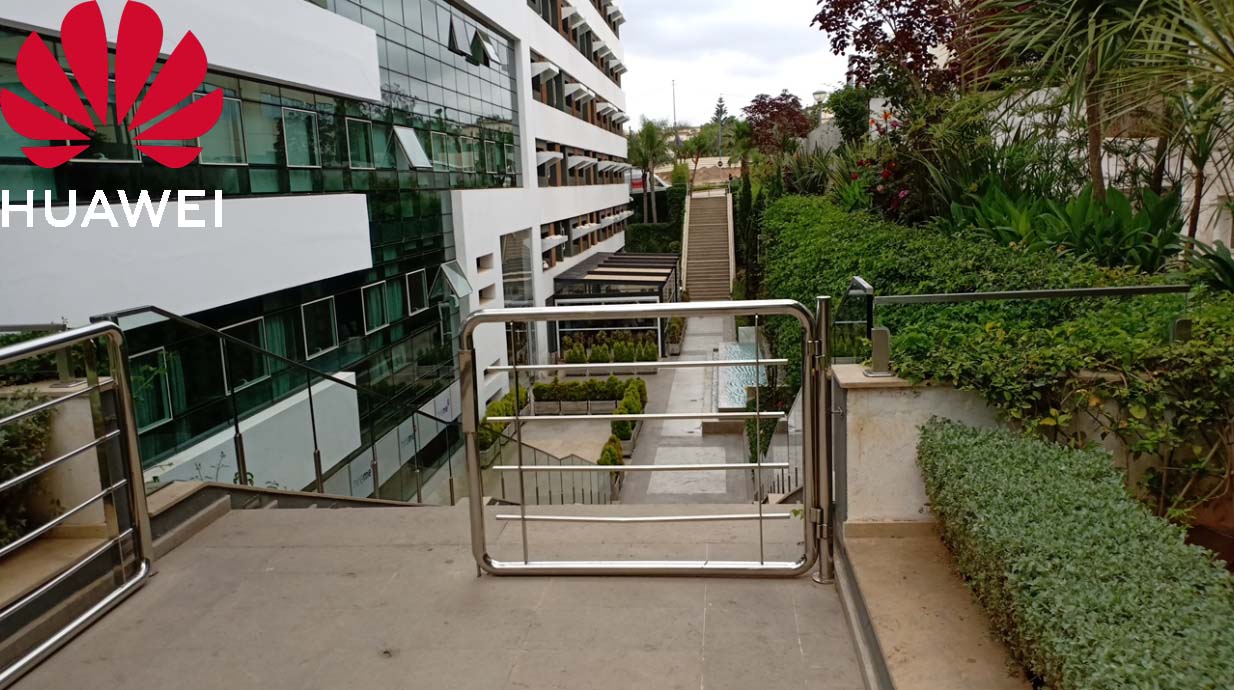
Intern at Huawei
FTTH Team
I had an introductoryinternship in the FTTX department (Fiber To The Home) at Huawei in Casablanca.
It provided me as a computer science student with hands-on experience working with fiber optic technology,
designing Fiber optic hierarchy in a given area, and also
The opportunity to develop problem-solving skills, and insight into current industry trends. This experience was valuable for me,
in order to
develop technical skills and staying current on industry developments, which can be beneficial for future careers in the field.
I also got practical experience,
the opportunity to network with professionals in the industry, and a better understanding of how the tech industry operates.
This was a very good way to apply the concepts learned in school to real-world projects and gain a well-rounded view of the professional
field.
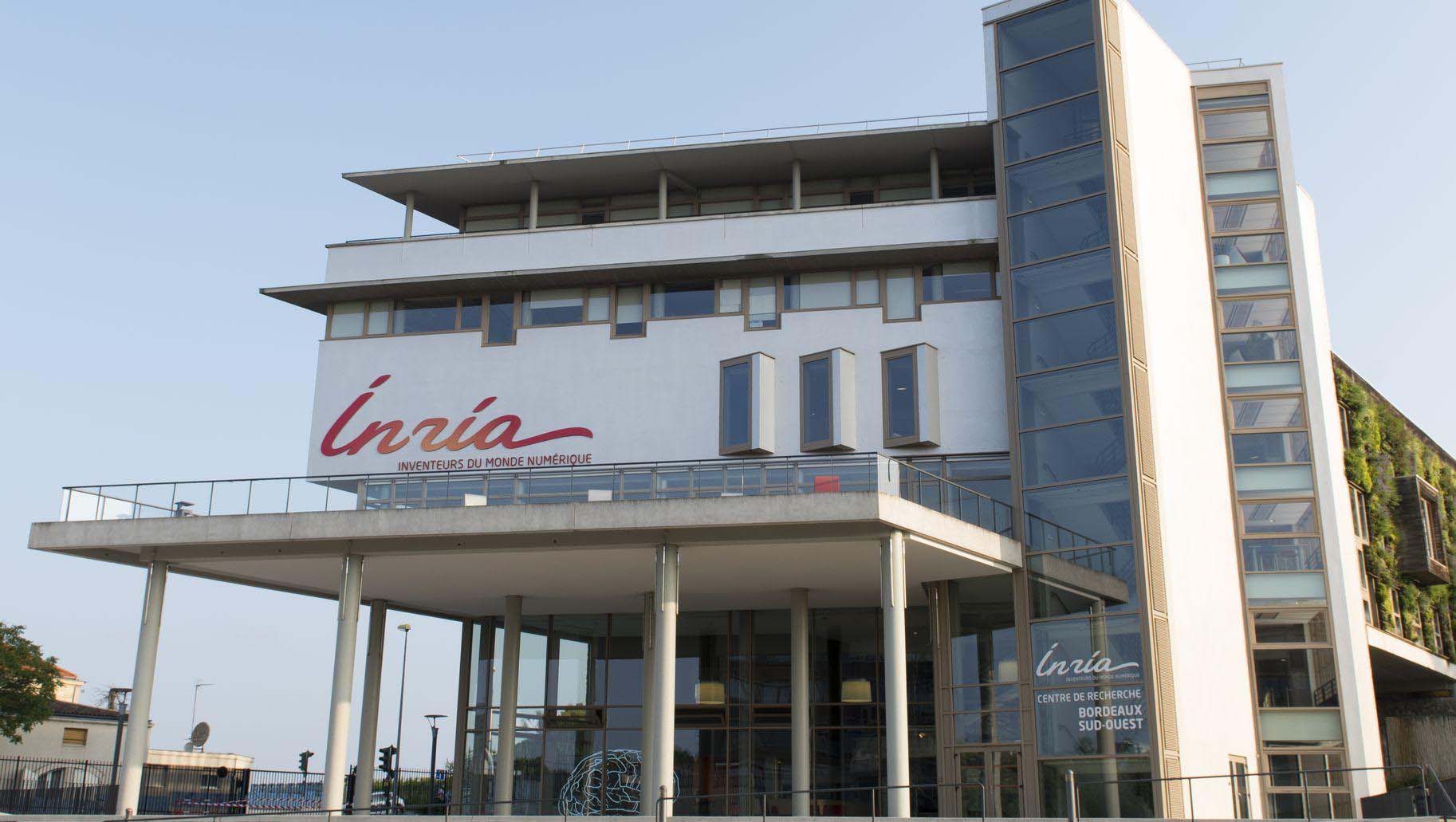
Intern at Inria
Detecting Errors in MPI applications with deep learning - STORM Team
As a machine learning engineer and data scientist, I collaborated with the U.S team in Iowa and the Inria team Storm to pioneer research on Error Detection in MPI applications. Utilizing cutting-edge deep learning, embedding techniques, and data science, our joint efforts led to the development of a robust error detection system. Leveraging diverse perspectives and innovative methodologies, our research project was submitted to the esteemed CGO conference in 2023, showcasing its potential to advance the field of high-performance computing and error detection in the realm of deep learning and data science. The experience of working with brilliant minds and contributing to this groundbreaking research journey was both intellectually stimulating and immensely rewarding.
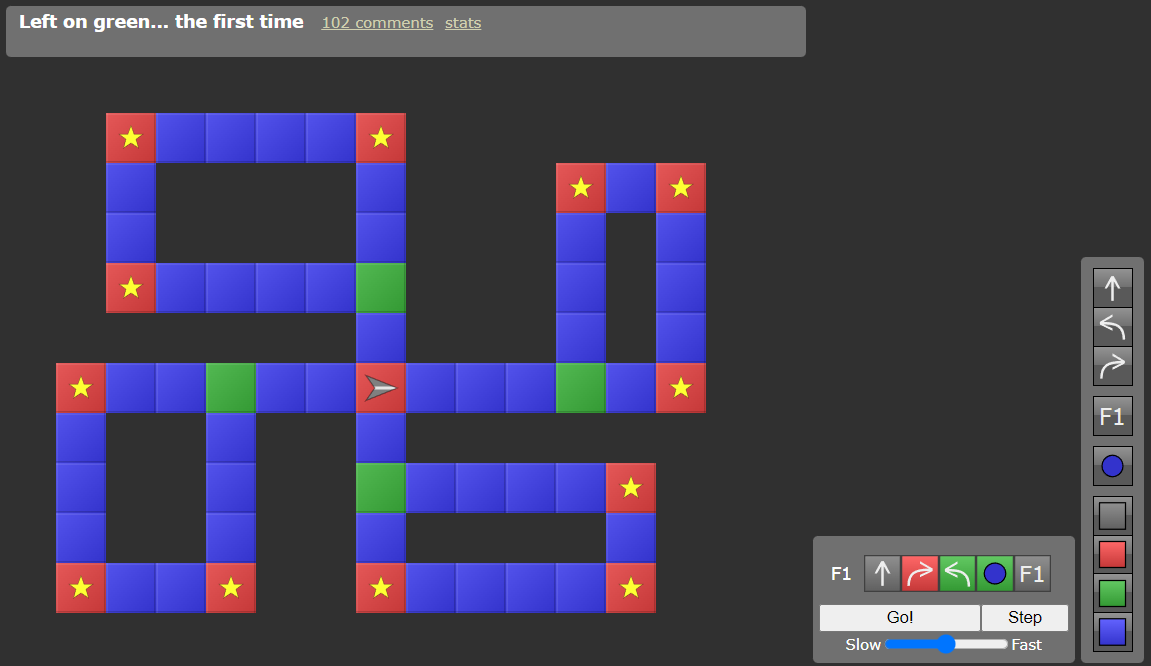
Robozzle Project
Team Manager
Robozzle is a puzzle game that involves programming virtual robots to complete tasks. In the game, players are given a set of commands that they can use to control the robot's movement and manipulate the objects in the environment. The goal is to complete each level by writing a program that guides the robot to the designated goal. Robozzle can be a fun and educational way to learn programming concepts and problem-solving skills. It can also be a useful tool for educators looking to teach programming to their students in a more interactive and engaging way.
Role Games DataBase
Developper
Embarking on an exciting endeavor, I conceptualized and brought to life a dynamic application, complemented by a robust relational database built using MySQL. This undertaking proved to be an invaluable opportunity for me to delve deep into the realm of data manipulation and hone my skills to a level of proficiency. Navigating through the intricacies of the MySQL database, I adeptly designed tables to house user profiles and intricate game details. To realize the app's full potential, I harnessed the power of complex queries, unraveling data insights that fueled the user experience. A cornerstone of the app's functionality lies in its capability for users to appraise fellow users' games, fostering a community-driven ecosystem. Noteworthy features include the ability to rate games, offer constructive feedback through comments, and comprehensively evaluate diverse aspects of each creation. This journey not only enriched my technical skill set but also underscored the profound impact of well-structured databases in shaping engaging and interactive digital platforms.

Flood-it Project
Team Manager
In an intellectually stimulating project, our team embarked on the development of a server utilizing the C language, with the primary objective of hosting the venerable Flood It game. This endeavor afforded us a profound opportunity to immerse ourselves in the intricacies of server dynamics, while concurrently enhancing our comprehension of library integration within the context of expansive software undertakings. Our collective efforts culminated in the realization of a robust server architecture adeptly poised to facilitate concurrent gameplay for a pair of participants. Through this undertaking, the multifaceted nature of server structures was unveiled, elucidating their pivotal role as virtual conduits that seamlessly unite users in interactive experiences. Beyond the technical enrichment garnered, this project underscored the indispensability of cohesive teamwork and adept library assimilation in the construction of intricate software systems.

Advances database and information systems
Laboratory Project
Engaged in a pivotal laboratory project, my peers and I embarked on an ambitious journey encompassing big data, machine learning, and data manipulation within the Spark framework. Our formidable task involved the creation of a sophisticated recommender system tailored to accommodate an expansive user base of 100 million individuals, within the context of a digital library teeming with scholarly papers. This experience proved profoundly enlightening, unveiling the vast potential of harnessing data and artificial intelligence in unison. Through this project, we honed our expertise in manipulating and interpreting colossal datasets, fostering a deep understanding of data preprocessing, feature engineering, and model training on an unprecedented scale. The intricacies of developing a recommendation engine exposed us to the core tenets of machine learning, enabling us to build algorithms that discerned different user preferences within the vast dataset of papers. Moreover, the project also showed an appreciation for efficiency in dealing with big data, insisting the notion that optimal resource utilization translates to enhanced productivity and real-world applicability. Our immersion in the Spark framework is an experience that propelled us toward a mastery of its environment, libraries, and deployment intricacies. As the project's scope extended to accommodate the complexity of handling substantial data volumes, the imperative of time efficiency became patently evident. This realization underscored the significance of devising streamlined data processing pipelines and judiciously leveraging distributed computing paradigms. More than a mere academic exercise, this project held a mirror to my individual passions and aptitudes. The compelling interplay of data manipulation, machine learning, and efficient big data management solidified my conviction that data science forms the crux of my disciplinary aspirations.
Rotor development for satellite dish
Personal Project - Collab with TU Berlin colleagues
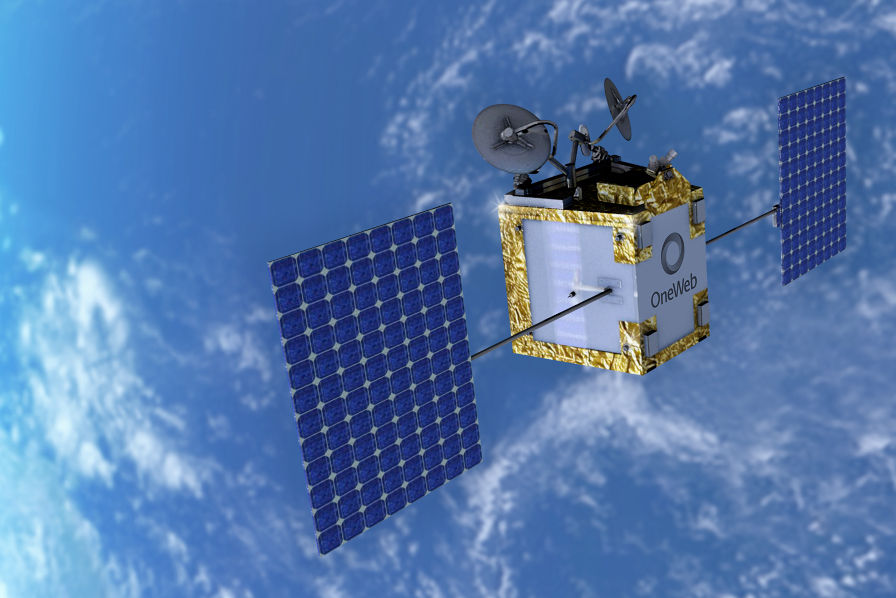
I had the privilege of spearheading a personal project aimed at assisting my peers at TU Berlin in the development of an application tailored to manipulate a satellite dish while seamlessly interfacing with the rotor's software. The project proved resoundingly successful, culminating in the creation of a functional and user-friendly application that effectively controlled the satellite dish's positioning. Witnessing this endeavor materialize into a tangible solution was both enjoyable and immensely gratifying, as the transition from conceptualization to real-world implementation affirmed the power of collaborative problem-solving. This experience not only enriched my technical skill set but also instilled a profound sense of accomplishment and satisfaction in witnessing the tangible impact of our efforts.
3rd Year Student
A.I & Data Science student engineer
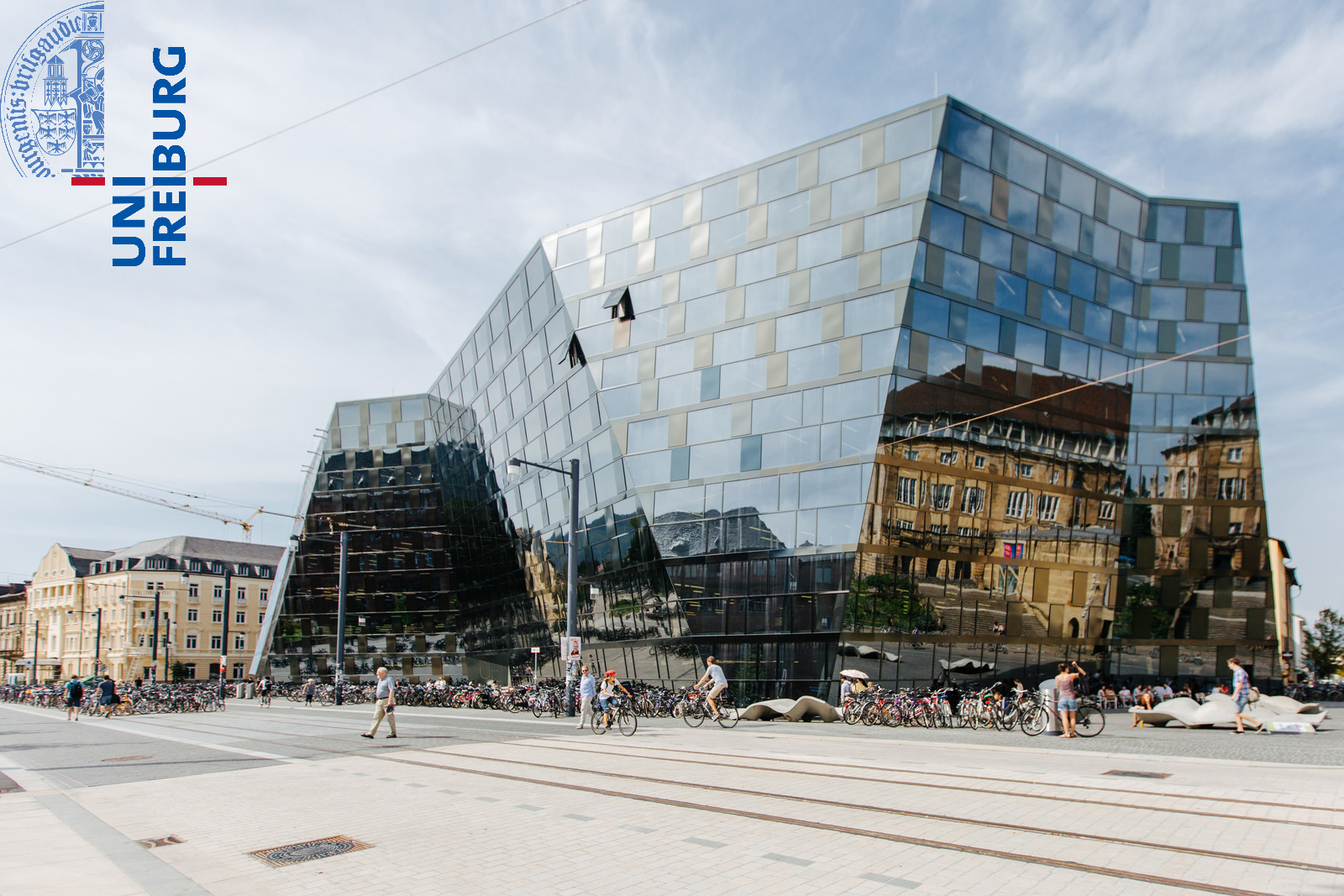
Semester Abroad
Erasmus Student

Following Tracks
Unsupervised : )
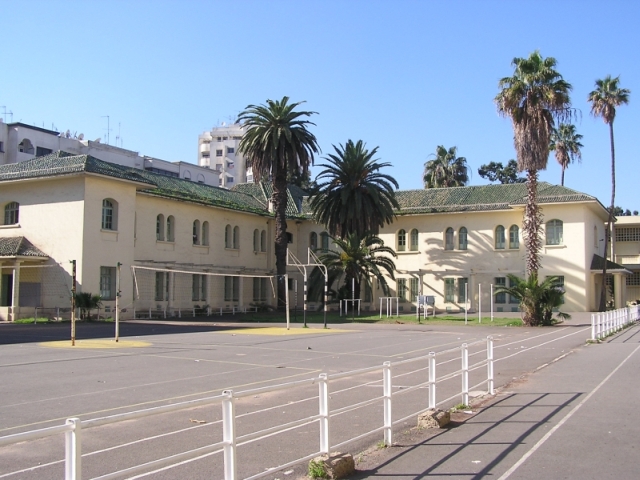
2 years of advanced scientific studies to pass the engineering schools contest
Graduated 70th/4000 Nationally
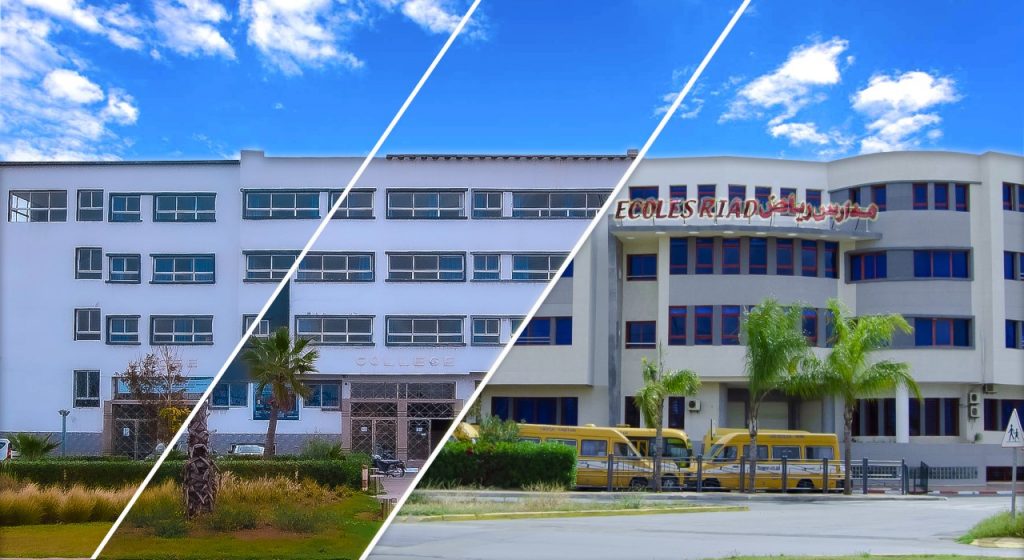
Baccalaureate in high school Riad, Morrocan high school diploma in Science-Maths
Graduated with Honours







Note : This skill section is based on my experience in tools and programming languages and how much I am comfortable using them, some of my hard skills can be unadapted and not perfectly fit for a project or a research, but they can be sharpened to reach the required level. I am capable of learning in volant speeds and enhance my mechanisms to adapt to a given task.
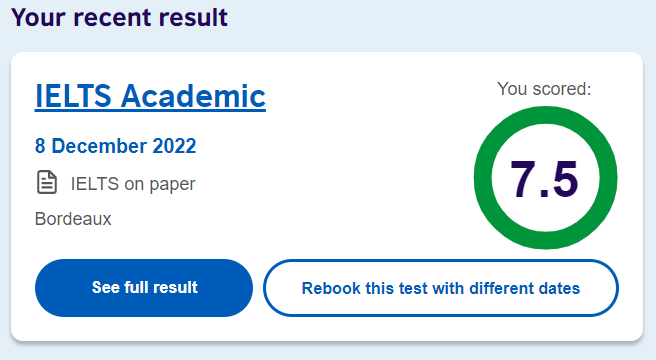
I have had the opportunity to pass the International English Language Testing System, or IELTS, certification at my school.
IELTS is a globally recognized language proficiency test that measures a person's ability to communicate in
English in an academic or professional setting.
It is recognized by over 10,000 institutions in over 140 countries, including universities, employers,
and immigration authorities.
The IELTS test consists of four parts: listening, reading, writing, and speaking. The listening and reading sections are
the same for both the Academic and General Training tests, while the writing and speaking sections are different.
IELTS scores are based on a band scale from 0 to 9, with 9 being the highest level of proficiency. Scores are reported in whole and half bands,
and test takers receive a separate score for each of the four test components.
I have scored 7.5 which is C1 level, please visit my LinkedIn to find my certificate.
Demand for data talent far exceeds the supply of qualified candidates. This has made
recruiting data talent extremely difficult and competitive.
Datacamp's certification programs help me stand out and prove my skills are job-ready to potential employers.
It show employers my analytical and technical prowess with DataCamp's highly regarded Data Scientist certification: proof
that I know how to wrangle data and uncover nuggets of business gold.
Datacamp's certification process consists of timed exams focused on exploratory analysis,
data management, model development, and statistical experimentation. I will also show our experts my data science
programming abilities, how well I communicate my
findings and analyses, and that I can adeptly use Python or R alongside SQL for data science tasks and processes.
The Data Scientist certification was built on a foundation of job market data. That means I am not getting a generic
certificate — I am gaining a certification that's designed to prove I have the in-demand skills required for today's data jobs.
please visit my LinkedIn to find my certificate.
German is a widely spoken language in Europe and around the world, and learning it can open up many opportunities for communication and connection with native speakers. By learning German, I can participate in conversations with native speakers, understand German media and culture, and make new connections with people from German-speaking countries. In addition, learning a new language helps improve my communication skills and ability to understand and empathize with others, which can be valuable social skills in general contexts and professional ones. By dedicating myself to learning and practicing German, I can expand my social skills and broaden my horizons even more.
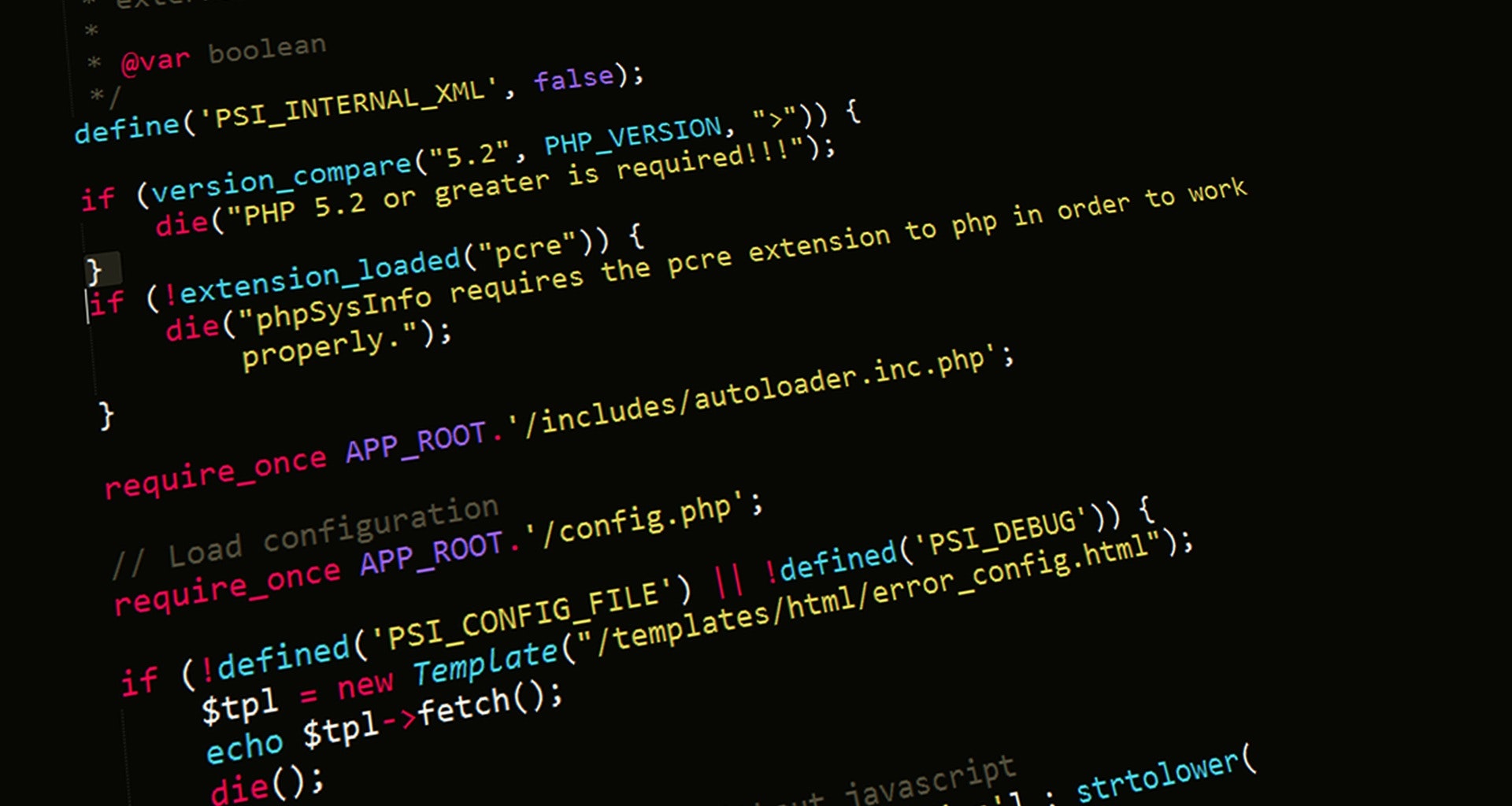 As a future Computer science engineer, I want to Develop a strong foundation in computer science principles:
This includes understanding concepts such as
algorithms, data structures, computer architecture, and programming paradigms
(such as Imperative, Functional and Object Oriented programming).
As a future Computer science engineer, I want to Develop a strong foundation in computer science principles:
This includes understanding concepts such as
algorithms, data structures, computer architecture, and programming paradigms
(such as Imperative, Functional and Object Oriented programming). Gain practical skills through hands-on experience: I am doing this by completing projects, participating in internships or co-op programs abroad and exchange with students all over the world, also joining student organizations that focus on computer science.
Stay current with new technologies and trends: The field of computer science is constantly evolving, so it's important to keep up with new developments and technologies.
Learn how to communicate effectively: As a computer science student, I'll need to be able to explain complex technical concepts to both technical and non-technical audiences.
Build a strong network of professionals in the field: I can do this by attending industry events and Hackathons , or even joining professional organizations, and networking with my peers and professors.
 I am excited to share with one of my childhood dreams of starting my own online bookstore. As a (semi-)lifelong reader and book collector,
I have always been passionate about the power of books to inspire, educate, and entertain. I believe that there is something
special about the experience of browsing through shelves of books, discovering new authors and stories, and getting lost in a good read.
I am excited to share with one of my childhood dreams of starting my own online bookstore. As a (semi-)lifelong reader and book collector,
I have always been passionate about the power of books to inspire, educate, and entertain. I believe that there is something
special about the experience of browsing through shelves of books, discovering new authors and stories, and getting lost in a good read.However, I also recognize that not everyone has the time or access to a physical bookstore. That's why I have always dreamed of bringing the joy of reading to a wider audience through an online platform. My vision for my online bookstore is to create a space where people from all walks of life can discover new books, connect with other readers, and explore the world of literature.
To achieve this vision, I plan to leverage my background in computer science and my skills in web development and e-commerce. I am committed to building an online bookstore that is not only user-friendly, but also visually appealing and engaging for readers. I also plan to offer a wide range of books, from bestsellers to niche genres, and to partner with authors and publishers to bring new and diverse voices to the platform.
I will start building a web app first and test it, I know that it's a long term project, and I am ready to go for it.
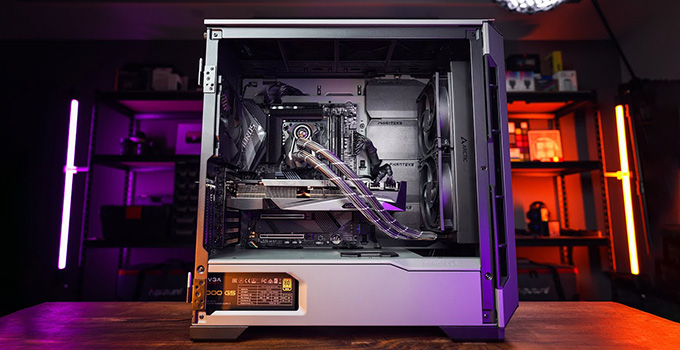 As an amateur of PC builds, one of my goals is to build a solid and customizable desktop. I have always been interested
in the inner workings of computers and the endless possibilities of customizing and optimizing their performance.
As an amateur of PC builds, one of my goals is to build a solid and customizable desktop. I have always been interested
in the inner workings of computers and the endless possibilities of customizing and optimizing their performance. Building my own desktop allows me to explore these interests and to create a machine that is tailored to my specific needs and preferences. I am constantly learning about the latest hardware and software technologies and enjoy the process of researching and selecting the components that will go into my build. My ultimate goal is to create a desktop that is not only powerful and reliable, but also visually appealing and easy to upgrade.
I am excited to continue learning and building my skills in this area and to eventually create a desktop that I can be proud of.
Cheers to Linus Tech Tips for the enthusiasm they have on this hobby.

In my spare time I like to think about game ideas, and creative ways
to build games and web applications. In fact, this website was a mere course to understand Bootstrap and have a better understading
in creating websites and embedding games in them.
Having a hobby of playing and creating video games can be a great way to develop
and hone my problem-solving skills and explore my interests in computer science. Video games or arcade games often require players to think critically
and creatively to solve challenges and progress through the game. By playing and creating video games, I can develop my ability to
analyze problems, think logically, and come up with creative solutions. This can be a valuable skill in a career in computer science,
where problem-solving is a key aspect of the work. Additionally, creating video games can give my hands on experience with computer
science concepts and technologies, such as programming, game theory and design, and computer graphics. By combining your passion for video games
with your career aspirations in computer science, you can continue to develop your skills and explore your interests in a meaningful way.
I hope you check my humble web games and gadgets and try them out!
(I prefer being contacted only via LinkedIn or via Form)


Done!
Personal Edition





Welcome to my game development website!
I am a computer science student who love to play and discuss the latest and
greatest game theories, technologies and algorithms. My website is a place for game and gadget amateurs of all levels to come
and try out my games, discuss them, and stay up-to-date on the latest gaming news. Whether you are a seasoned pro or a casual amateur,
I have something for you.
So come join me and let's code on!